 Pizyn
Why "free Midjourney" is a search, not a plan
Midjourney's own plan comparison page lists exactly four tiers — Basic $10 a month ($8 a month billed yearly), Standard $30, Pro $60, Mega $120 — and every one of them is a subscription that auto-renews. There is no free row in the table. The only trial anywhere is a limited one inside the separate niji·journey mobile app, an anime-focused product; it does not open the website or Discord. Private generation (Stealth Mode) is gated behind Pro at $60 a month, so even paying customers on Basic and Standard generate in public.
That is the whole reason this search exists: Midjourney's look is the benchmark — our five-scene test of GPT Image 2.6 vs Midjourney found its default aesthetic still hard to beat — but you cannot try it without paying. The six tools below all let you generate without a card. None of them is Midjourney, and the honest differences are in the table.
The six free tiers at a glance
| Leonardo AI | 150 fast tokens a day | Dozens of images a day on Leonardo's own models; no card needed | Generations are public; tokens reset daily, no rollover |
| Ideogram | 30 credits a week | 3–10 images a week; best text rendering of the six | Google or Apple sign-in only; everything public |
| Google Gemini | Free in the Gemini app | Nano Banana 2 generation and editing, no card | No published image count; downloads capped at 1K |
| ChatGPT | "Limited image creation" | Same image model as paid plans | OpenAI publishes no number; tests report ~2–3 images per rolling 24 hours |
| Adobe Firefly | Limited free daily generations | Try image, video and audio; commercially safe training data | Adobe publishes no daily number; small allowance |
| Recraft | 50 credits a day | 50 raster images a day; vector and SVG tools | Free images are public, owned by Recraft, no commercial use |
| Pizyn | 20 credits once at signup | Midjourney v8.2 itself plus 33 other models; pay per image, no subscription | One-time, not daily; 20 credits = 2 Midjourney generations (8 images) |
Leonardo AI: the most generous daily allowance
Leonardo's pricing page, read November 18, 2026, gives free accounts 150 fast tokens a day. Tokens are Leonardo's usage currency, not images: a light image on one of Leonardo's own models costs a few tokens, so 150 stretches to dozens of images a day, while heavy partner models cost far more per image. The allowance resets every day and does not roll over, and no card is required to start.
The catch is privacy, not volume. Free generations are public, and private mode needs a paid plan (Essential, $12 a month, with 8,500 monthly tokens). On rights, Leonardo's own FAQ is better than most free tiers: free users get a non-exclusive, royalty-free licence to use their images commercially, even though Leonardo retains ownership. If you want a daily habit without paying, this is the deepest free pool on this list.
Ideogram: the free tier for text in images
Ideogram's plans documentation, read November 18, 2026, gives free accounts 30 credits a week, resetting every Saturday at 00:00 UTC. Images cost 3, 6 or 10 credits each depending on quality, so 30 credits buys roughly 3–10 images a week. Ideogram is the strongest of the six at rendering readable text inside images — posters, logos, menus — which is exactly the job where most free generators fall apart.
Two catches, both in the fine print. First, the free credits go only to accounts that sign in with Google or Apple; Microsoft and email-and-password accounts get none unless they later link a Google or Apple sign-in. Second, everything on the free plan is public, and reference-image edits are capped at 10 in total — not per week, ever. Paid plans start at Plus, $20 a month for 2,400 credits, which adds private generation.
Google Gemini: free, with a meter you cannot see
The Gemini app gives you Nano Banana 2 image generation and editing free, with no card — Google's image page calls it "available for free". What Google does not publish is a number: limits are compute-based, depend on prompt complexity and chat length, refresh every five hours up to a weekly cap, and Google says they can change with capacity. Downloads without a paid plan come out at 1K; a plan raises that to 2K. Two other free doors exist with published counts: AI Mode in Google Search allows up to 25 images per 24 hours, and Google Flow allows up to 20 Nano Banana Pro images a day.
The catch is the invisible meter. You will not know your allowance until Gemini tells you it is used up, and the newest model, Nano Banana 2.1, needs a paid plan in the app. The API has no free tier for any Nano Banana model. Gemini is the best free option if you already live in Google's apps and generate casually; it is a poor fit if you need to plan a fixed number of images per day.
ChatGPT: the smallest free allowance, the strongest model
OpenAI's pricing page describes the free plan's image access as "limited image creation" and publishes no number for any plan. Third-party tests in September and October 2026 report roughly 2–3 images per rolling 24-hour window on a free account before the limit message appears and the wait begins — though one account got 22 requests through in a day, so the cap clearly varies with account and load. Treat 2–3 as a rough expectation, not a quota.
What makes the free tier worth having anyway is that there is no weaker free model: every plan, free included, runs the same image model, ChatGPT Images 2.6 since November 4, with GIF output. If you need three careful images a day — a thumbnail, a social post, a quick edit — the free tier is genuinely usable. If you need volume, it is not a plan, it is a sample. Plus is $20 a month.
Adobe Firefly: free to try, built for commercial work
Adobe's Firefly plans page describes a free plan with limited free daily generations across image, video and audio on a curated set of models — and, like Google and OpenAI, Adobe does not publish the daily number. The allowance refreshes every day. What Firefly offers that no other free tier here does is training-data safety: its own models are trained on licensed and public-domain content, and Adobe says the output can be used commercially, which matters the moment an image goes into client work or an ad.
The catch is scale. The free allowance is small by design — Adobe's own FAQ says the free plan is for trying Firefly, and that you need a paid subscription once you need more than it includes. Paid plans start at Standard, $9.99 a month for 2,000 credits, and every paid plan includes unlimited standard image generations. Firefly is the right free tier to test if commercial safety is your first filter.
Recraft: 50 images a day, with the strictest free terms
Recraft's free plan gives 50 credits a day — one credit buys one raster image, so that is 50 images a day, with up to three uploads a day and up to two images per prompt. Recraft's strength is design work: its V4.1 engine handles vector output and SVG export, which none of the other free tiers here offer, and it is genuinely good at icons, illustrations and brand-consistent sets.
The catch is the terms, which are the strictest on this list. Free-plan images are public in the community gallery, owned by Recraft, and explicitly not licensed for commercial use — treat the free plan as a demo, not a production workspace. Commercial rights, private generation and full ownership start at Basic, $12 a month for 1,000 credits. If your images are for personal exploration, 50 a day is generous; if they are for anything you will ship, the free tier is not the tool.
Pizyn: Midjourney itself, without the subscription
The honest option on this list is the one that does not ask you to settle for a lookalike. Midjourney v8.2 runs on Pizyn at 10 credits per generation, and each generation returns 4 images — about 2.5 credits per image. You get the actual model, the same one behind the $10-a-month subscription, with no monthly commitment: sign up, get 20 free credits, and generate. The 20 credits are a one-time signup bonus, not a daily allowance — that is the part to be clear about. Twenty credits buys two Midjourney generations (8 images), or five Seedream 5.5 images at 1K, or twenty 1-credit drafts.
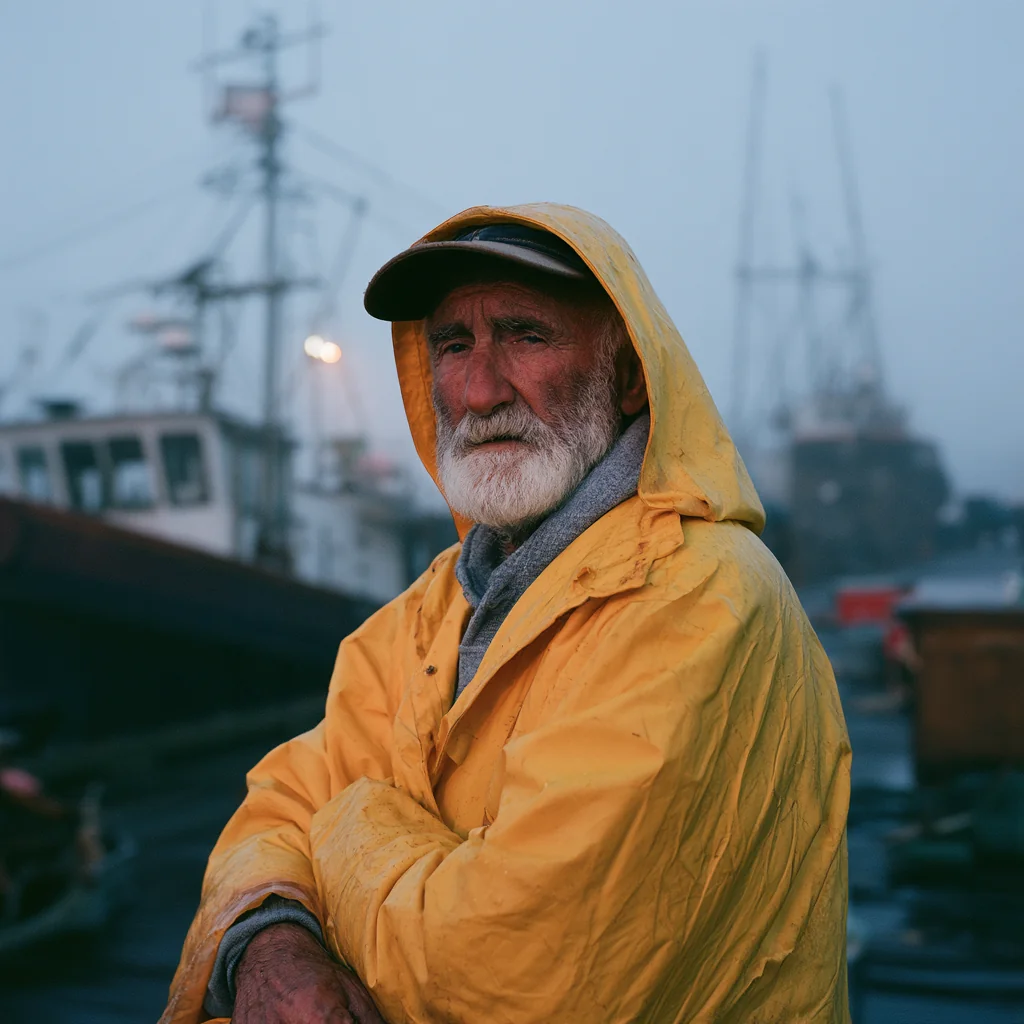
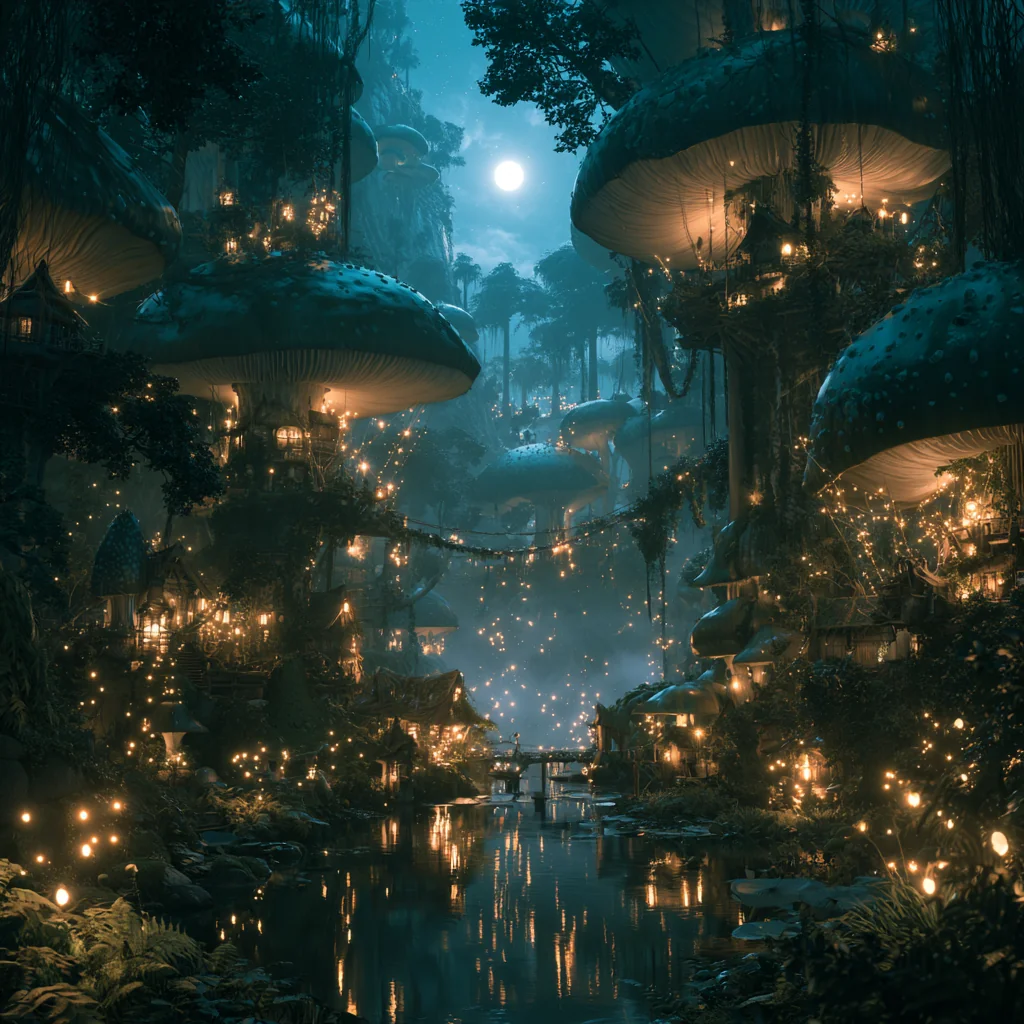
After the bonus, you pay per image with one-time credit packs — Mini 500 credits for $5, Pro 2,000 for $20, Studio 5,200 for $50, Max 10,800 for $100 — and the credits never expire, so there is no subscription to forget to cancel. The same balance works across all 37 models in the studio. One of them is worth a look if the brief goes beyond Midjourney's look: Grok Imagine Image 2.0 (10 credits a picture at 1K, 14 at 2K) pairs photoreal scenes with the strongest text rendering we have tested, and it edits photos — which Midjourney here does not. See our Grok Imagine vs Midjourney test. If the thing you actually want is Midjourney, this is the cheapest way to use the real model without a subscription; if you want a recurring daily free allowance, Leonardo or Recraft fits better, and we say so plainly.
Bottom line
There is no free Midjourney, and the tools that advertise themselves that way usually mean a free tier of something else. Of the real free tiers, Leonardo gives you the most images per day, Ideogram gives you the best text, Gemini asks the least of you, and Recraft gives you vectors with terms you should read twice. What none of them gives you is Midjourney's look — and if that is what you are actually after, the honest answer is that 20 free credits on Pizyn buys you two real Midjourney generations, no subscription attached. Free tiers change often; every figure above was checked against the vendor's official pricing page or documentation on the dates given, and the vendor's page is the final word.